
Sevensterre · Antwerp

Stay inside Antwerp’s history.

Three private residencesOne medieval estateHistoric city centre

Nine centuries in the making

History is not
behind glass here.

At Sevensterre, Antwerp’s past is not something you simply visit. It is where you wake up.

The estate was first recorded by name in 1430, yet its medieval cellar may reach back to the late twelfth or early thirteenth century. Divided through the centuries, its historic spaces are now being brought together again—each retaining its own name, character and purpose.

First recorded
1430
Setting
Old Antwerp
Historic layers
Almost nine centuries

The residences

Every stay has a name.
Every name has a story.

Meet Barseloene, Dry Paukens and Gulden Blaesbalck: three intimate residences, each opening a different door into the history of Sevensterre.

Nine centuries beneath one roof

The history of Vlasmarkt 35

House Dry Paukens

Vlasmarkt 35, historically known as Dry Paukens, stands above a medieval cellar believed to date from the late twelfth or early thirteenth century.

Its imposing two-aisled structure, with an arcade supported by drum-shaped columns of Tournai limestone, has been associated with a vanished Antwerp convent of Norbertine canonesses since the 1970s. These Sisters of Saint Mary Magdalene are thought to have lived in this part of the city between approximately 1148 and 1254. The exact location of their convent, however, has never been conclusively established.

By the fifteenth century, the site formed part of an extensive urban estate known as Sevensterre. The earliest currently known written reference dates from 4 August 1430. The estate comprised a substantial corner house on Hoogstraat, with outbuildings, workshops, a courtyard, stables and entrances from Vlasmarkt.

In 1463, the smaller house behind the main residence became an independent property. Shortly afterwards it was known as Barseloene, an early form of Barcelona. By the mid-sixteenth century, it had acquired the name Dry Paukens: The Three Kettledrums.

Behind the modest early nineteenth-century façade, substantial fifteenth- and sixteenth-century fabric survives: composite oak-beamed ceilings, historic timber floors, a nineteenth-century staircase, original internal doors and an oak roof structure.

Below the house lies part of the large shared medieval cellar and a separate sixteenth-century cellar beneath Vlasmarkt. Vlasmarkt 35 preserves an exceptional accumulation of almost nine centuries of Antwerp’s residential, commercial and architectural history.
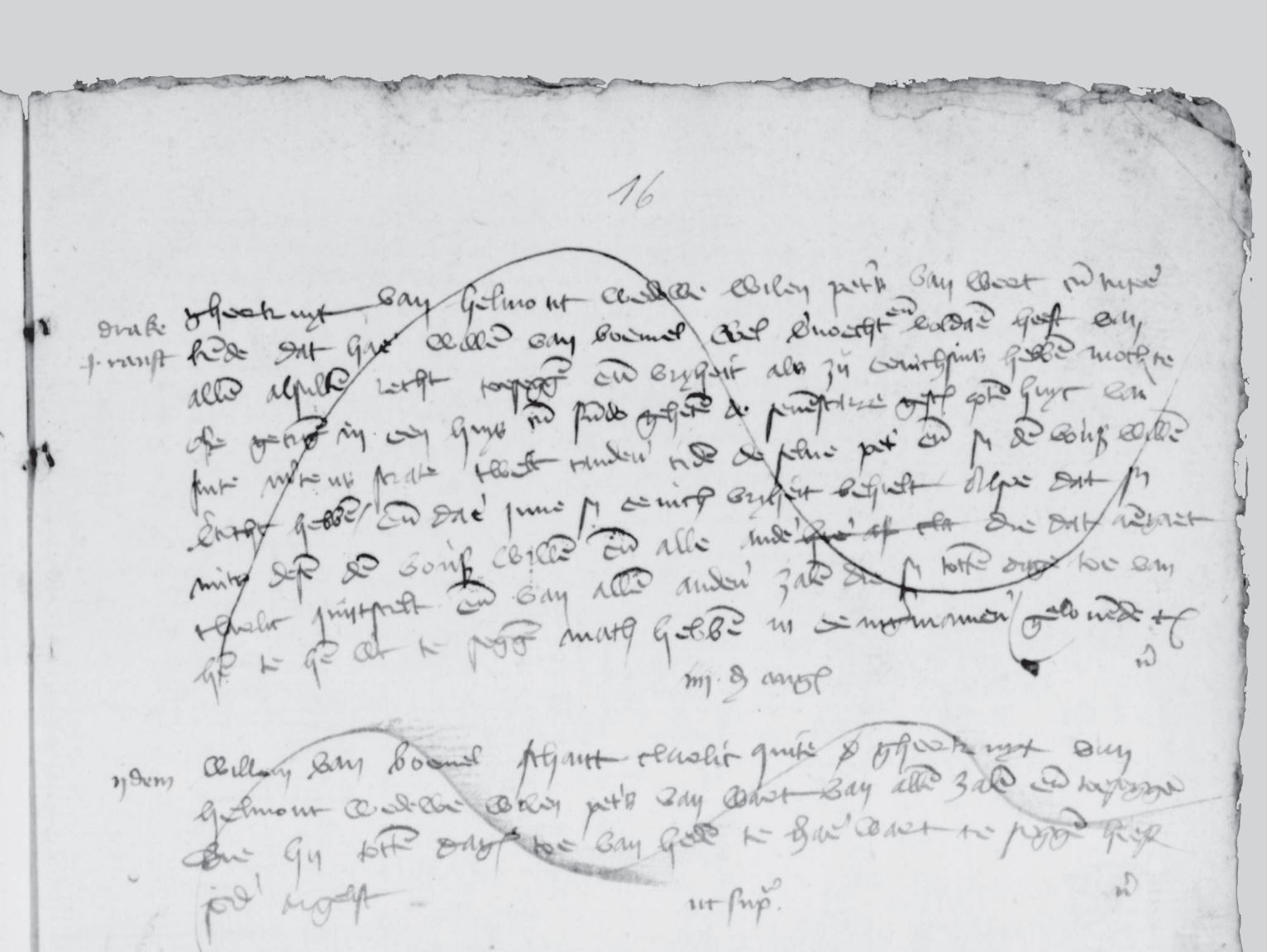
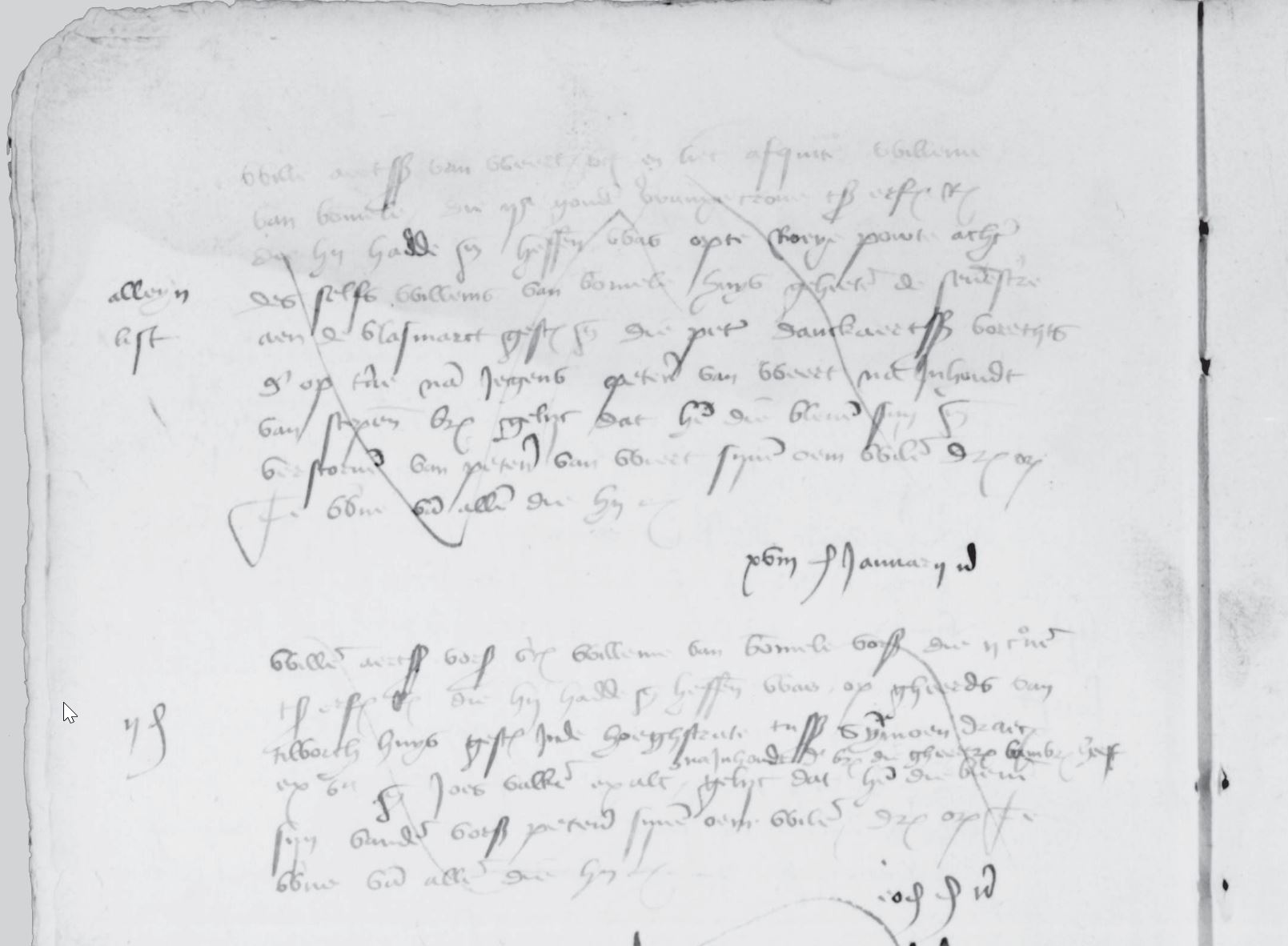
The archival record

Sevensterre appears by name in Antwerp’s aldermen’s registers in 1430 and again in 1431. These pages are not decoration alone: they are the surviving documentary trace of the estate’s medieval identity.

4 August 1430 · earliest currently known reference to Sevensterre
18 January 1431 · redemption of a rent on a gate behind Sevensterre

Sevensterre

Brought together again.

Sevensterre was once a single medieval estate on the corner of Hoogstraat and Vlasmarkt.

From the fifteenth century onwards, it was gradually divided into separate properties, including Gulden Blaesbalck and Dry Paukens. Above ground, different addresses, façades, homes and commercial premises emerged. Below ground, the monumental medieval cellar continued to preserve their shared origin.

Almost six centuries later, these historic spaces are being brought together once more—not by erasing their individual identities, but by allowing each space to retain its own history, character and purpose.

Sevensterre is not a single house, but a collection of eight historic spaces—brought together again.

It is a place where living, staying, design, art and heritage come together under one name: a living Antwerp landmark in which almost nine centuries of architecture can continue to evolve.

Sevensterre · Antwerp

Your place inside
Antwerp’s history.

Explore the residences